An industrial floor has to withstand forklifts and lorries, impacts, oil and chemicals without cracking or lifting, and it also has to be safe and easy to clean. Choosing the right system matters as much as installing it properly.
At Catalana de Rehabilitació we install, refurbish and maintain floors in industrial buildings, warehouses and logistics centres, car parks and garages, the food industry, commercial premises and homes. From Viladecavalls (Barcelona) we work across Spain and on international projects.
Which system do you need?
| System | Strengths | Where it fits |
|---|---|---|
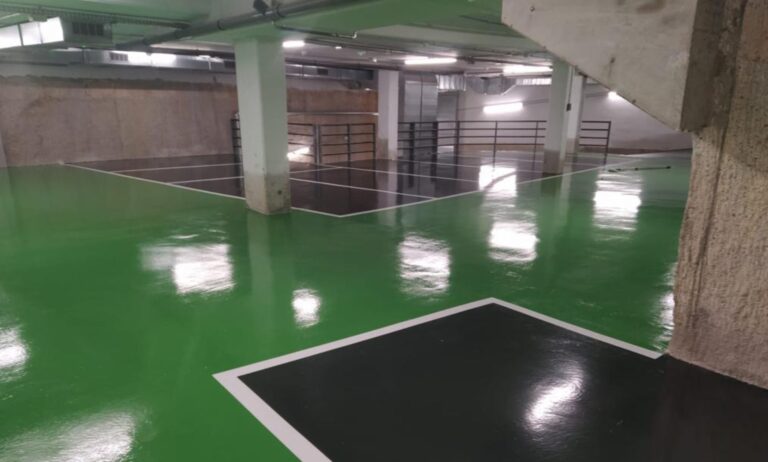
| Epoxy resin | Seamless, joint-free, chemical-resistant, easy to clean | Industrial buildings, warehouses, workshops, car parks, laboratories |
| Polyurethane | Flexible, copes with temperature changes and vibration | Food industry, cold rooms, wet areas |
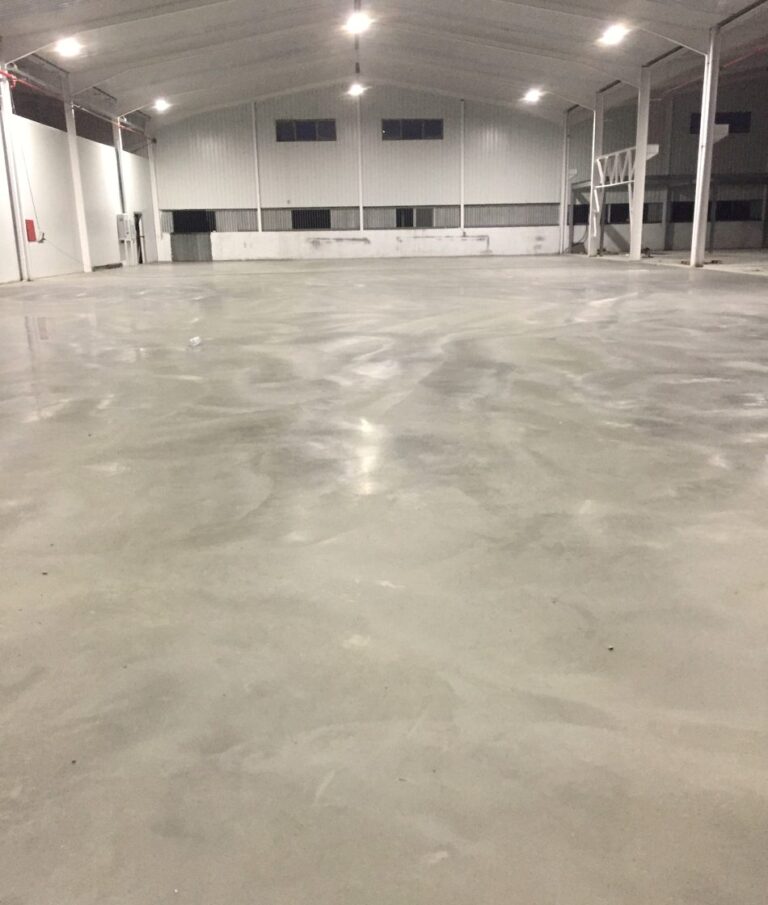
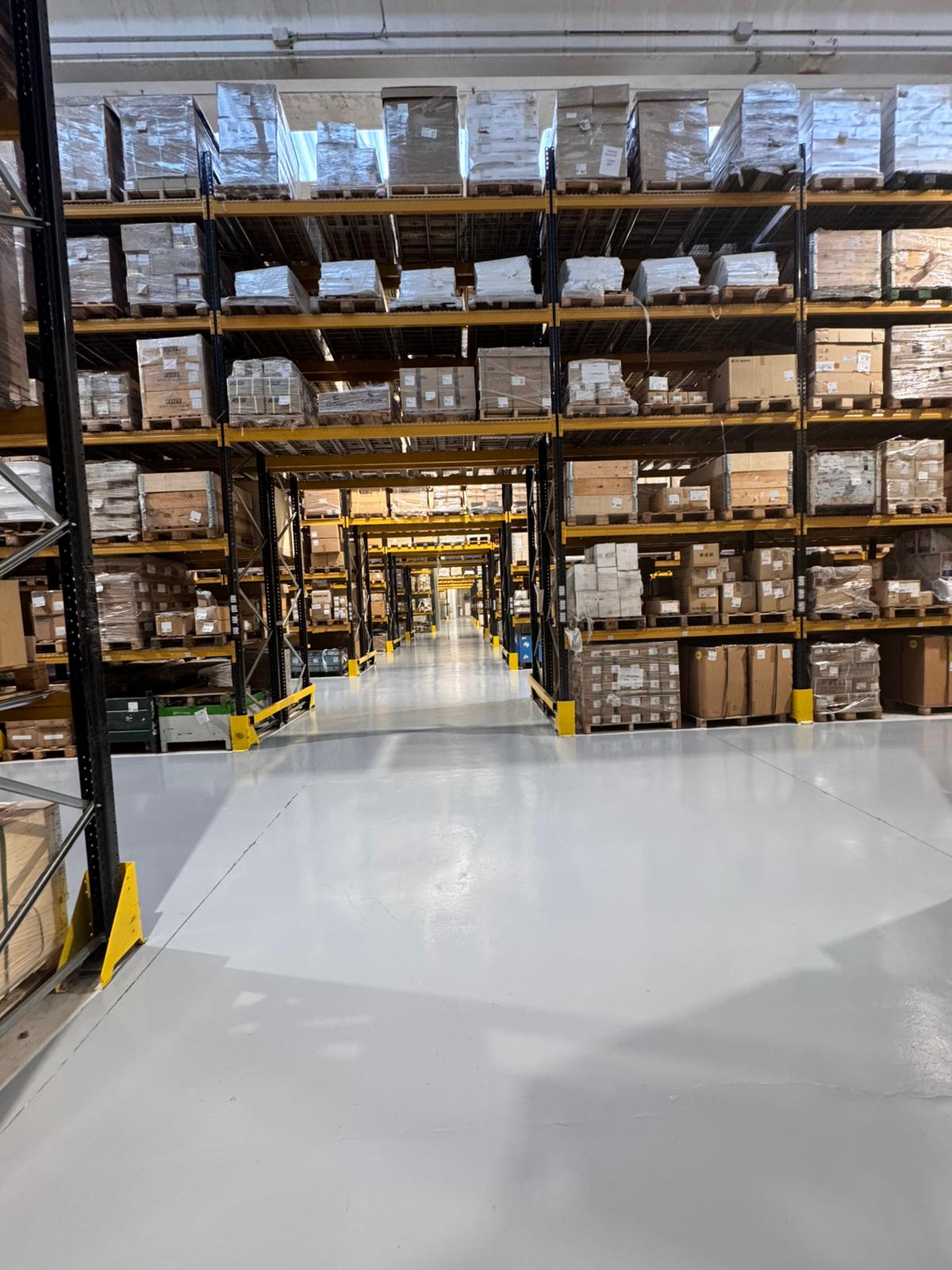
| Polished concrete | Very high load resistance, economical, low maintenance | Large floor areas, logistics, industrial buildings |
| Anti-slip | Surface roughness matched to the regulations | Ramps, entrances, wet areas and loading bays |
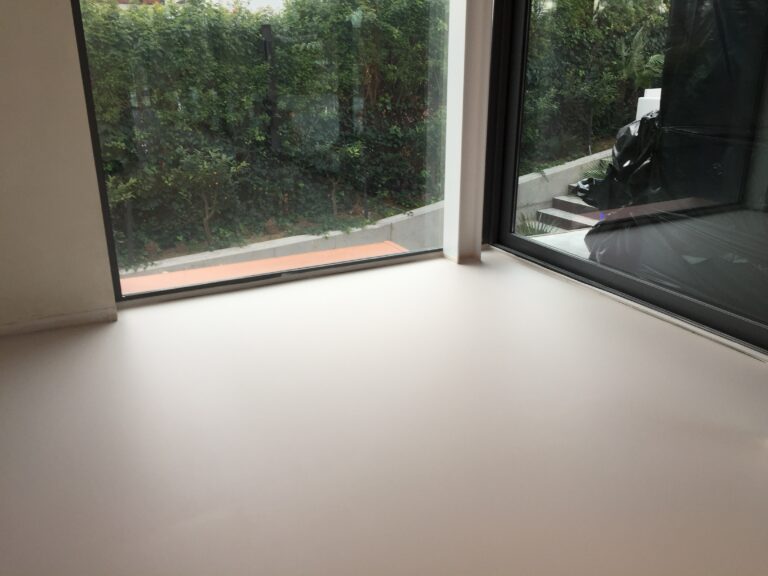
| Microcement | Seamless, decorative, just a few millimetres thick | Homes, bathrooms, kitchens, shops, terraces |
To choose, we look at the activity, the type and intensity of traffic, the loads, the products that may be spilt on the floor, the temperature and humidity, and the condition of the substrate.
Flooring by sector
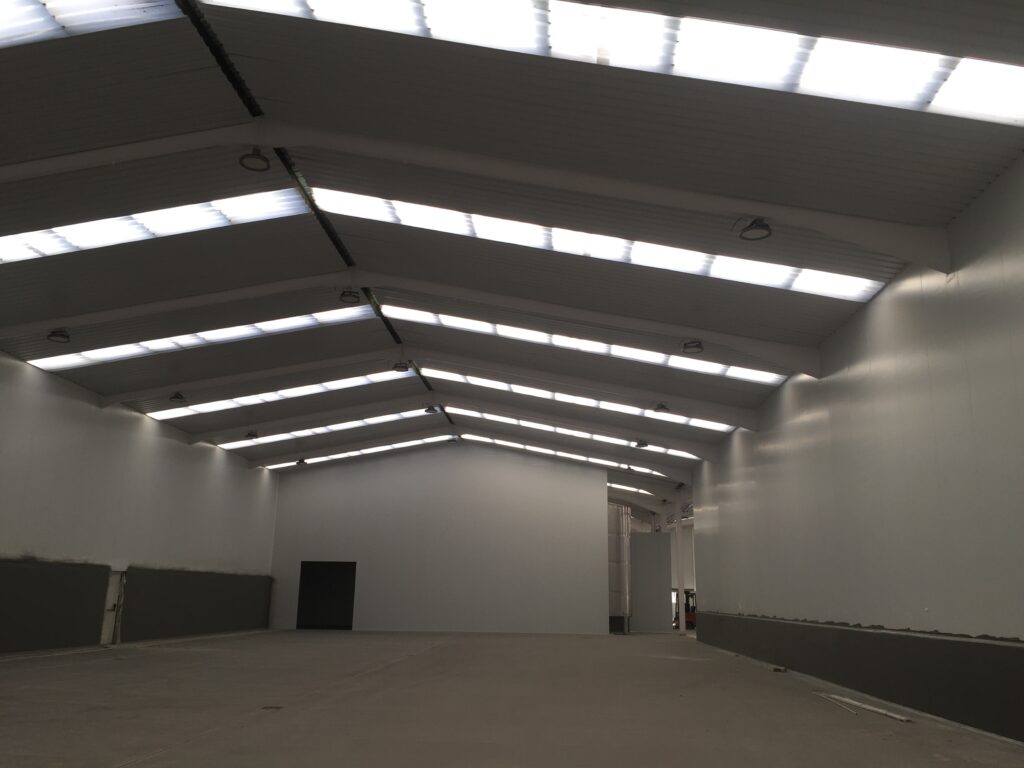
- Industrial buildings and logistics centres: resistance to loads and forklift traffic.
- Food and pharmaceutical industry: seamless, hygienic surfaces that are easy to clean.
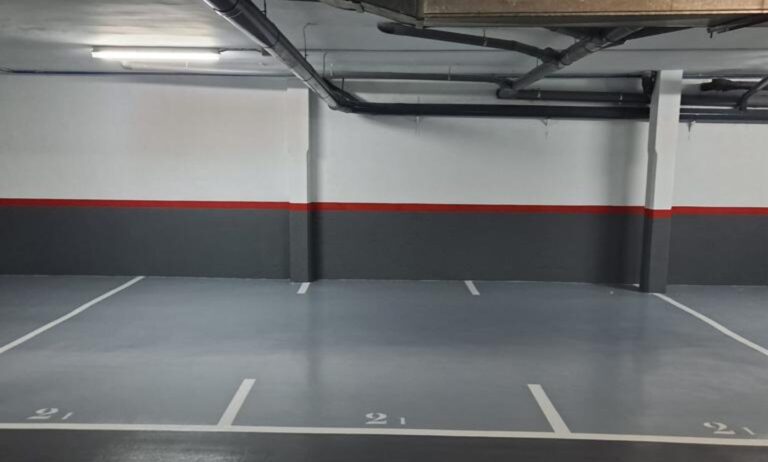
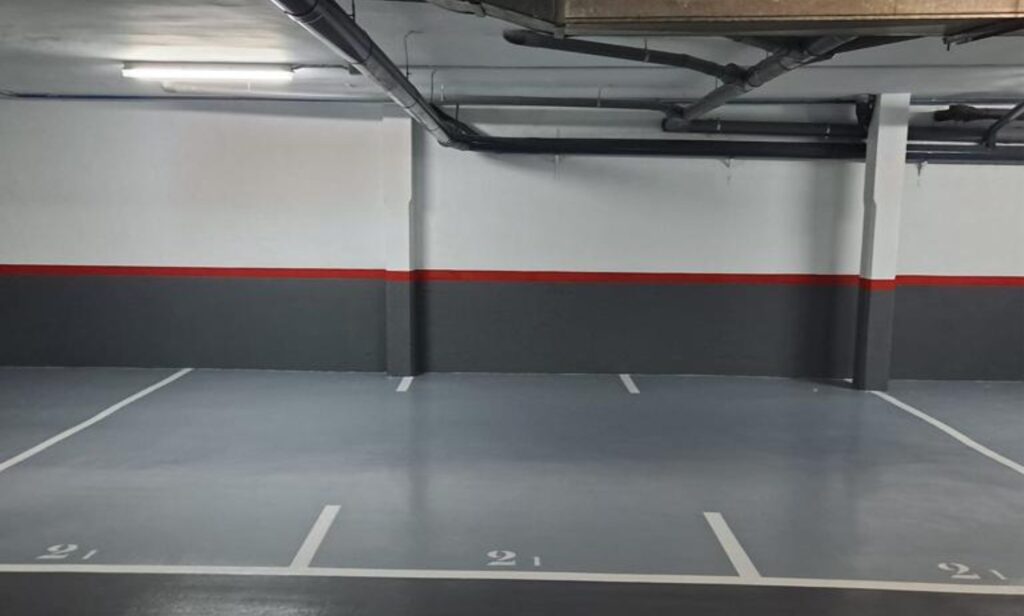
- Car parks and garages: resistance to oil and fuel, markings and anti-slip ramps.
- Workshops: resistance to impacts, grease and vehicle traffic.
- Laboratories and the chemical industry: systems that resist aggressive substances.
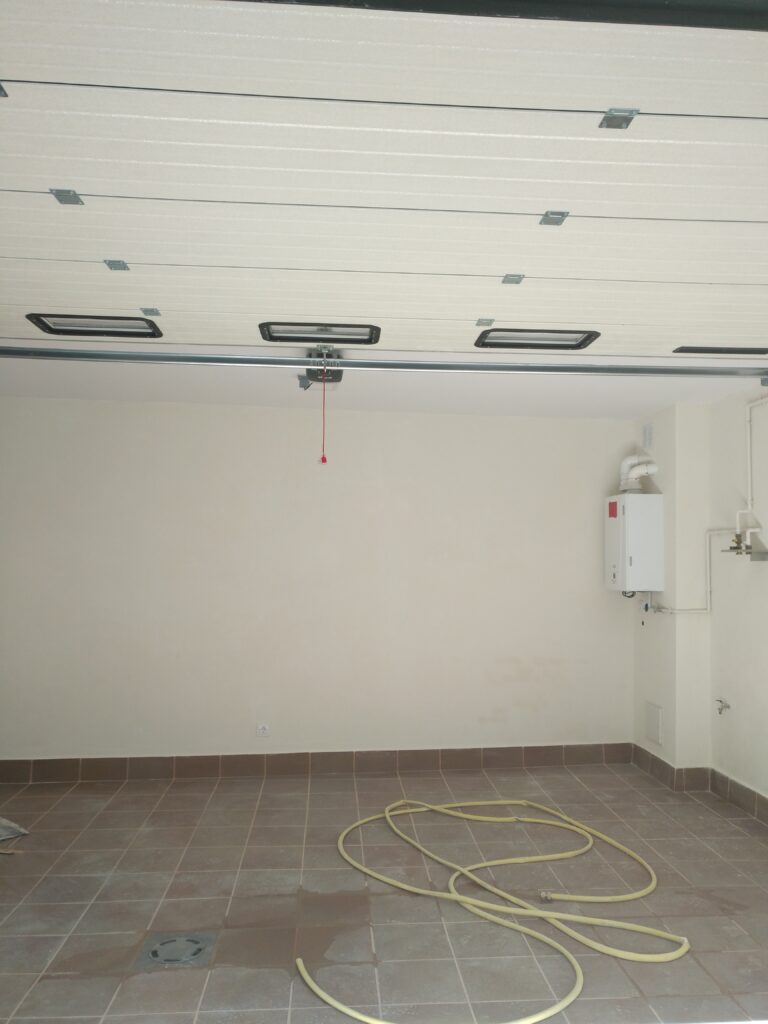
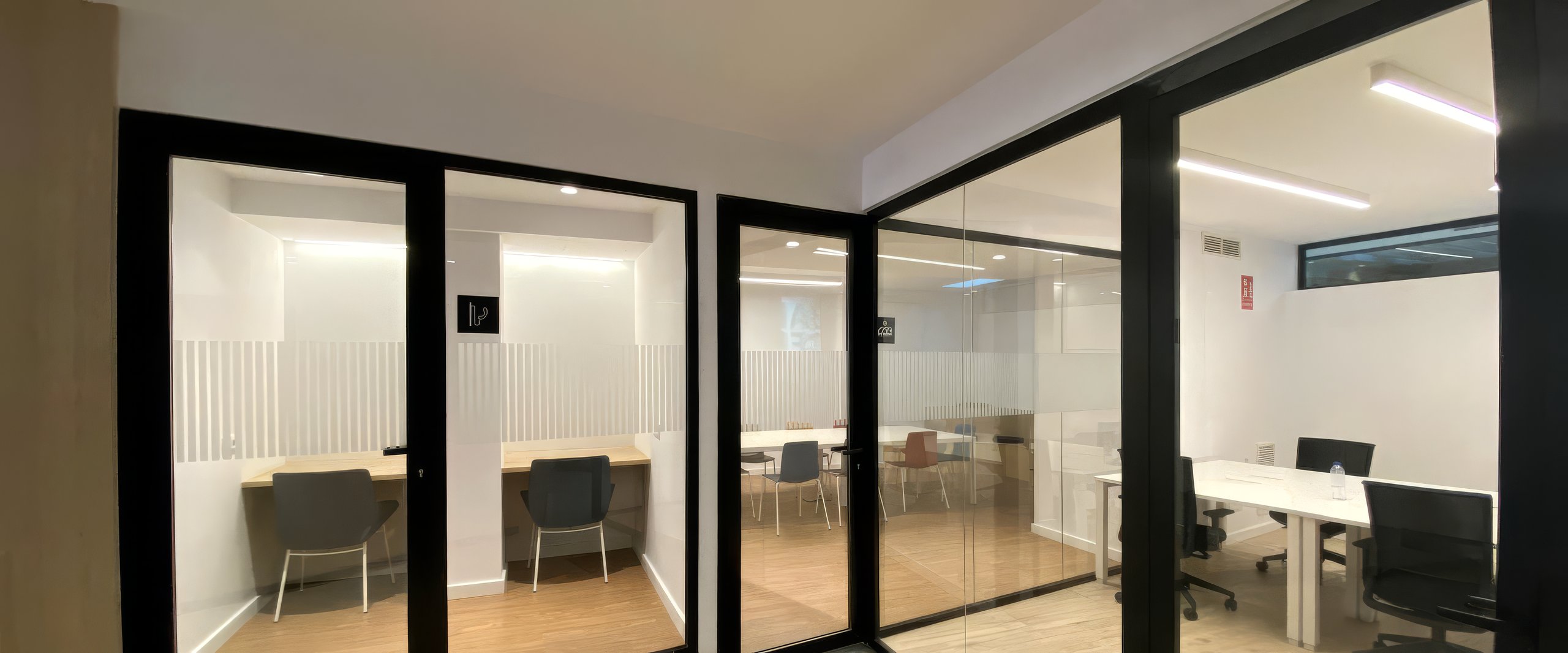
- Commercial premises and homes: durability with an attractive finish.
How we work
Assessment
We check the substrate, its moisture content and condition, and discuss the activity and the expected traffic.
Substrate preparation
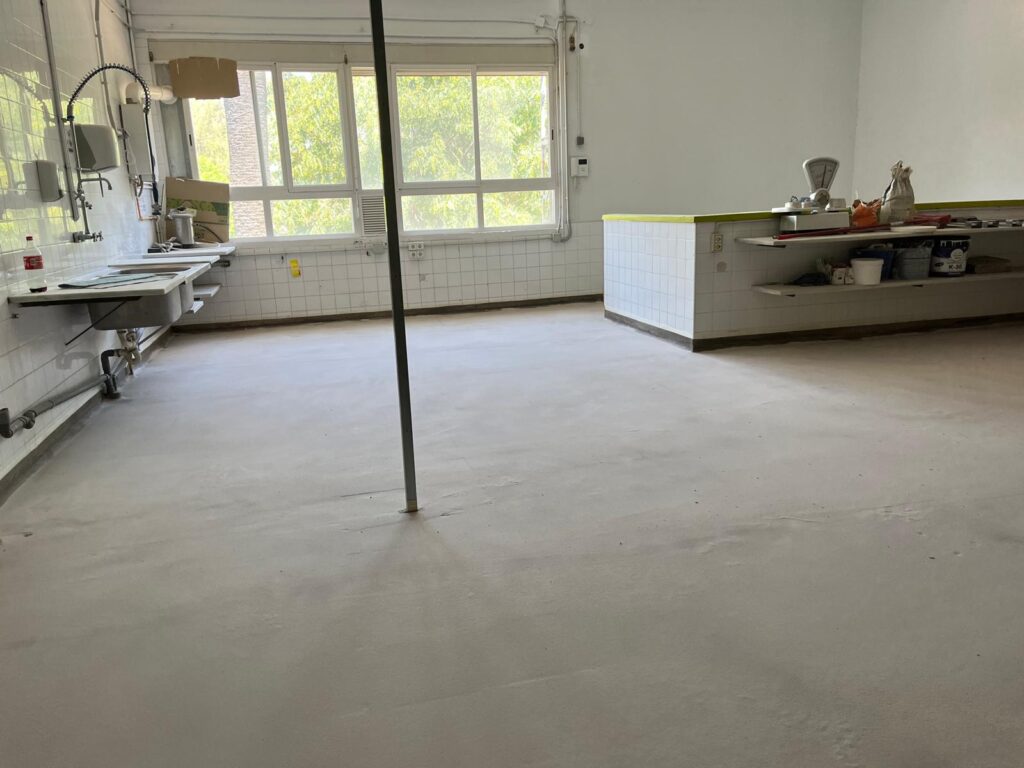
We grind or scarify the concrete, repair cracks and joints and leave the surface ready for the system to bond.
Application
We apply the primer and the coats of the chosen system, respecting the drying time of each one.
Curing and inspection
We let the floor cure until it reaches full strength and check the finish before handing it over.
Floor refurbishment and maintenance
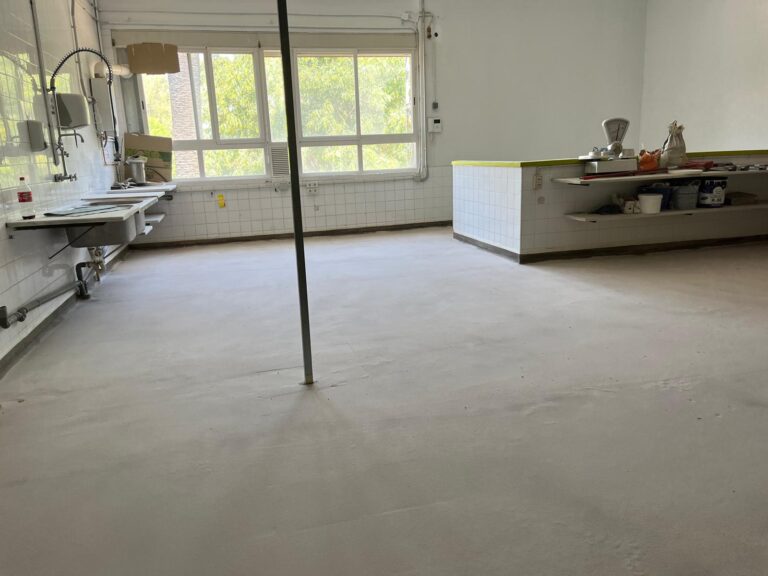
If your floor is worn, cracked or lifting in places, it often does not need replacing: we repair the substrate, joints and damaged areas and apply a new finish, at a lower cost and with fewer days of downtime. And to make it last, we offer regular maintenance: inspections, spot repairs and fresh sealing when needed.
Have a similar project?
We visit you, assess the building and give you a detailed, no-obligation quote.
Industrial flooring FAQs
Which industrial flooring is best for a warehouse?
It depends on the use. For large areas with forklift traffic, polished concrete is hard-wearing and economical; where there are chemicals or you need a hygienic, joint-free surface, epoxy resin; and where there are sudden temperature changes or vibration, polyurethane. We decide once we have seen the building and the activity that goes on in it.
Can a new floor be laid over the existing one?
Often, yes. Resin systems are applied over the existing concrete after it has been mechanically prepared and any cracks and joints repaired. If the substrate is badly deteriorated or has subsided, it has to be repaired or relaid first.
How long will we have to stop work?
It depends on the system and the floor area. Resin floors can be laid zone by zone and can usually take traffic within a few days. We plan the works with your company to keep downtime to a minimum.
How do you maintain an industrial floor?
With regular cleaning to remove dust, oil and chemical residue, periodic inspections to catch cracks or wear early and, when needed, a fresh seal coat or protective layer.
Can a floor be repaired rather than replaced?
Yes, often. We repair cracks, joints and damaged areas and apply a new finishing coat, which costs less and means less downtime than replacing the whole floor.