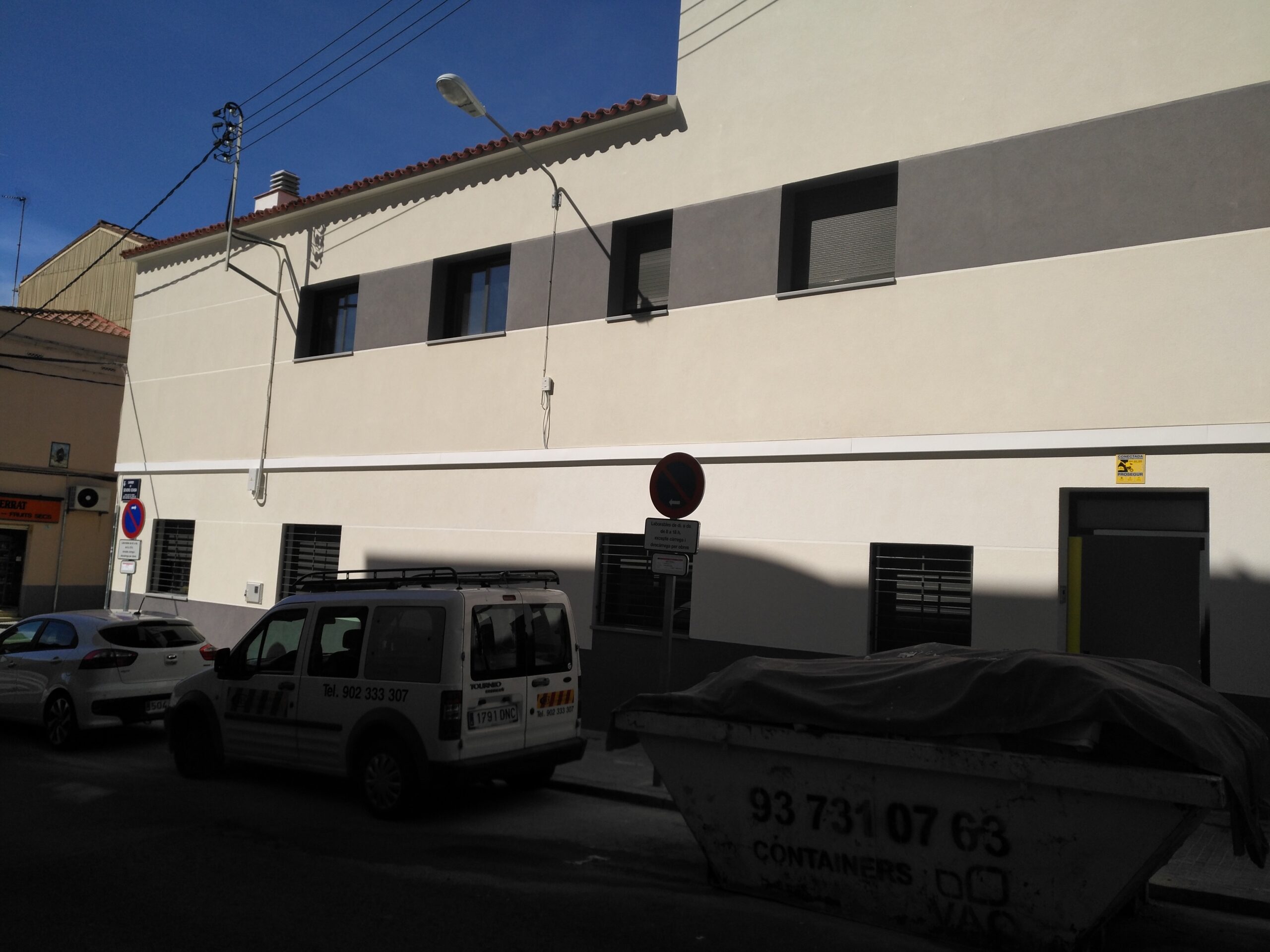
A chunk of render on the pavement or a piece of balcony in the street is a serious warning: what has fallen once can fall again. The good news is that there are almost always signs beforehand, and acting in time costs much less than acting in a rush.
Warning signs
- Cracks along the edges of balconies and slab edges, sometimes with rust stains.
- Concrete that bulges or spalls and exposes the steel reinforcement.
- Render that sounds hollow when tapped or has come away from the wall, forming blisters.
- Small pieces of material on the pavement, on the balconies below or in the courtyard.
- Cornices, mouldings or cladding with cracks or pieces that have moved.
If material has already fallen
Safety
If there is an immediate danger to people, call 112 (the European emergency number). In the meantime, keep people away from the area and cordon it off.
Tell the owners’ association
Inform the property manager (administrador de fincas) or the president of the owners’ association (comunidad de propietarios), with photos of what has fallen and where from.
Temporary measures
A specialist team removes anything loose and puts up nets, mesh or protection so that nothing else falls. If necessary, the structure is propped.
Diagnosis
A qualified professional inspects the facade to find out why it came away and what else is at risk.
Permanent repair
With the diagnosis, the owners’ association approves the works and the cause is repaired, not just the visible area.
Who is liable
The facade, the slab edges and the structure of the balconies are common elements, and the owners’ association has a legal obligation to keep them safe. If falling debris causes damage to third parties, the owners’ association is normally liable, which is why it is important to check the insurance policy and its public liability cover.
In addition, the town council can order the owners’ association to carry out the necessary works, and the building inspection (ITE) records this type of defect as serious or very serious.
This article is for information only and summarises the Catalan rules in force when it was written. For a specific case, ask your property manager (administrador de fincas) or a lawyer.
How it is repaired
The most common cause is water: it gets in through cracks and joints and reaches the steel reinforcement in the concrete; the steel rusts, expands and breaks the concrete covering it. The repair consists of removing the damaged concrete, treating or replacing the reinforcement, rebuilding with repair mortars and protecting the facade so that water cannot get in again.
We explain this in balcony refurbishment and crack repair.
Have a similar project?
We visit you, assess the building and give you a detailed, no-obligation quote.