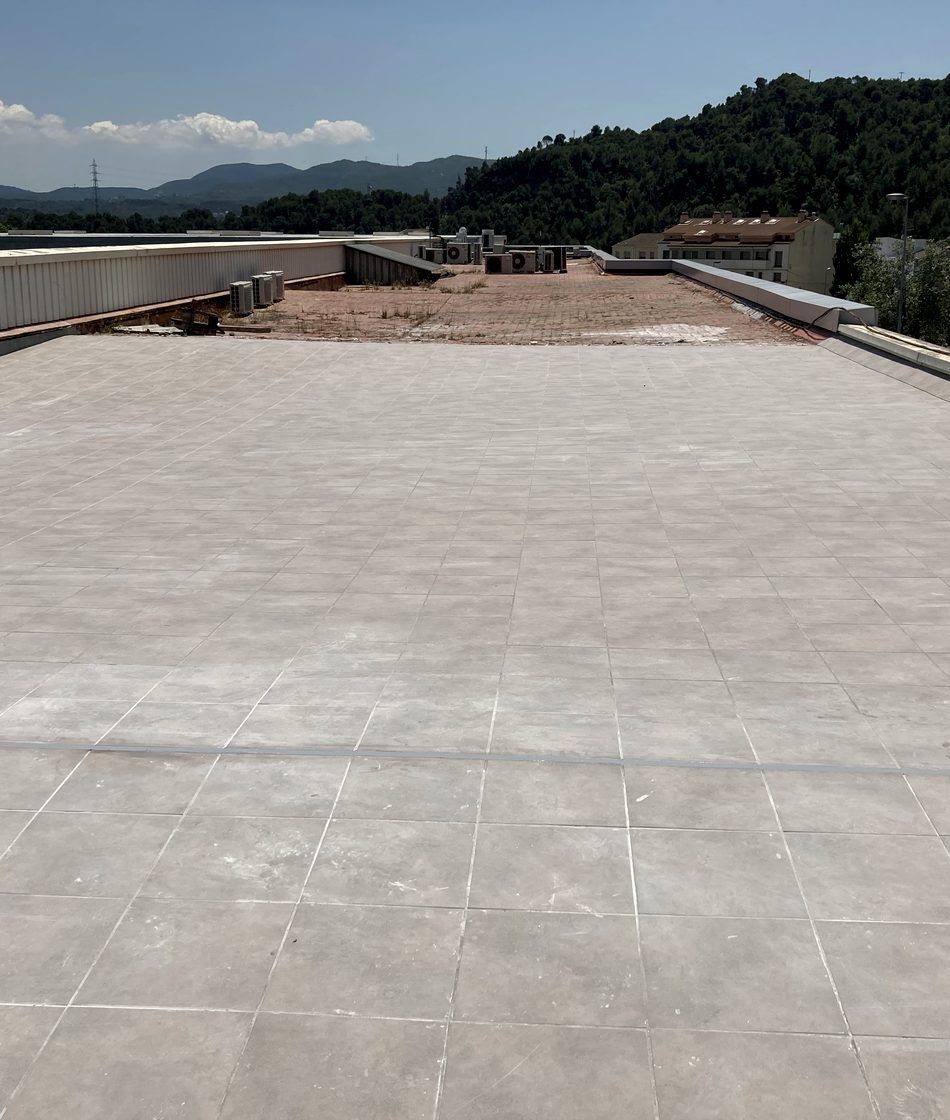
A properly waterproofed roof protects the structure, the insulation and everything underneath. As the waterproofing ages, cracks, open joints and unprotected areas appear, letting water through to the roof slab and, from there, into the homes.
We waterproof flat and pitched roofs, accessible and non-accessible, on residential blocks, homes, office buildings and industrial buildings, both to fix leaks and as a preventive measure.
Waterproofing systems
There is no single system that is best for every roof. These are the ones we use and where they fit:
| System | What it is | Where it fits |
|---|---|---|
| Bitumen membrane | Torch-on bituminous membranes, in one or two layers. | Flat roofs, especially under tiles. Very tough. |
| Liquid systems | A continuous coating that forms a flexible, jointless membrane. | Roofs with lots of junctions, parapets and complex shapes. |
| Polyurethane | A highly elastic liquid membrane. | Substrates subject to movement and temperature changes. |
| PVC and EPDM | Highly durable synthetic membranes. | Non-accessible roofs exposed to the weather. |
| Hot-spray polyurea | A sprayed membrane that cures in seconds, with no joints. | Terraces, flat roofs, industrial buildings and car parks; also over the existing finish. |
To choose, we take into account the type of roof, its condition, how it is used, how water drains off it and how exposed the building is. That is why every proposal starts with an inspection.
Roofs on residential blocks
The roof is a common element and its condition affects the whole building. We waterproof flat roofs and communal roof terraces, accessible and non-accessible, coordinating with the property manager (administrador de fincas) and planning the work so that residents barely notice it.
Industrial buildings and large surfaces
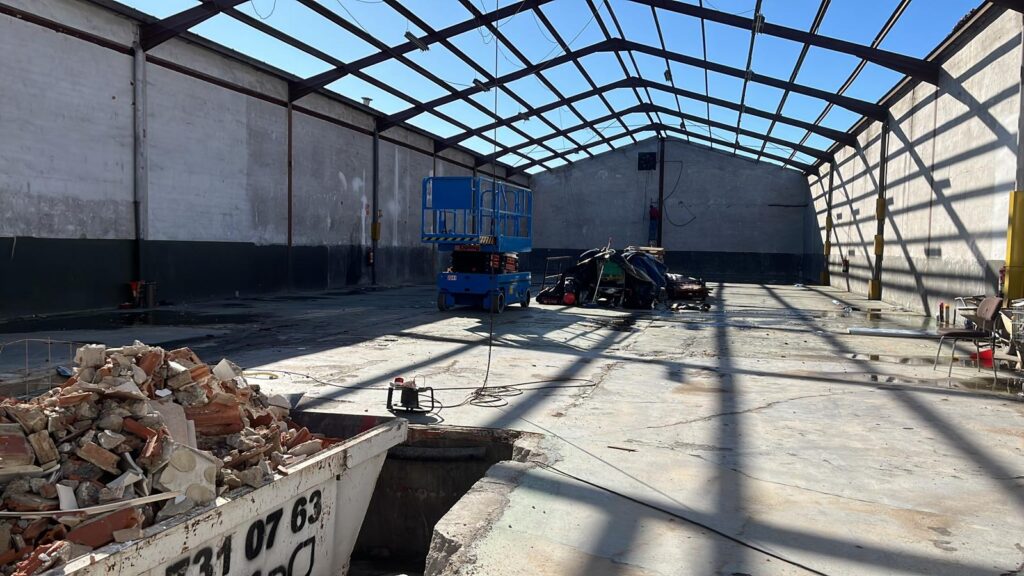
In industrial buildings, warehouses and factories, a leak can damage machinery and stock or halt production. We waterproof large roofs with continuous membranes and sprayed polyurea, detailing the junctions with metal sheeting, rooflights and gutters, and working without stopping activity wherever possible.
Waterproofing and insulating at the same time
If the roof is going to be refurbished, it is the time to improve its insulation too. We combine the waterproofing system with insulation boards or sprayed insulation so that the insulation is protected from moisture and the top floors become more comfortable. We explain it in roof refurbishment and maintenance.
How we do it
Inspection and diagnosis
We check the existing waterproofing, joints, outlets, parapets and flashings, and find where the water is getting in.
Preparation
We clean the surface, remove whatever is no longer serviceable, repair the substrate and treat joints and cracks.
Application
We lay or apply the chosen system, in one or more layers, allowing the right curing time for each material.
Final inspection
We check outlets, joints and junctions and hand over the roof with maintenance recommendations.
From Viladecavalls (Barcelona) we work across Spain and on international projects.
Have a similar project?
We visit you, assess the building and give you a detailed, no-obligation quote.
Frequently asked questions
Which waterproofing system is best for a flat roof?
There is no single best system for everything. Bitumen membranes are very tough and widely used; liquid systems and polyurea form a continuous, jointless layer, ideal on roofs with lots of junctions; and PVC or EPDM membranes stand up very well to the weather. We choose according to the use, condition and shape of the roof.
How is an industrial building roof waterproofed?
With continuous membranes or sprayed polyurea, adapted to the surface, to the sheet-metal or panel flashings and to the building’s exposure. Wherever possible, the work is done without stopping activity in the building.
Is it important to waterproof before installing insulation?
Yes. If insulation gets wet it loses much of its performance. It should be protected by the waterproofing system or, in inverted roofs, laid on top of the waterproofing with its own protection.