Most of the major works we carry out could have been avoided with good maintenance: an open joint on the roof, a blocked drain or an unsealed crack ends up turning into water ingress, damp and falling debris. We sum it up in a building maintenance schedule.
We offer building maintenance for owners’ associations (comunidades de propietarios), property managers (administradores de fincas) and building owners.
What it includes
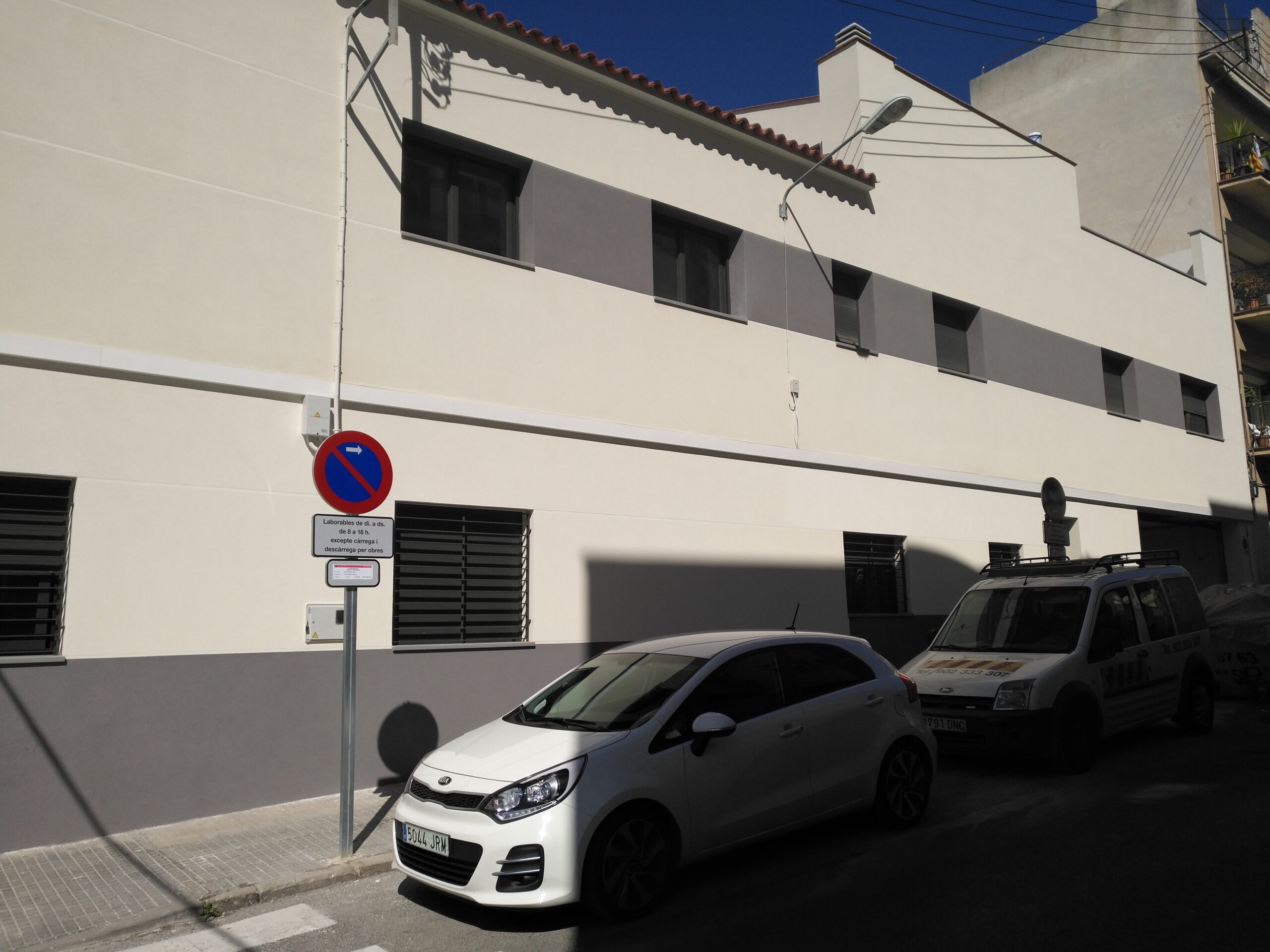
- Inspection and maintenance of facades: cracks, render, cornices and balconies.
- Maintenance of roofs and terraces: waterproofing, joints, drains and gutters.
- Monitoring of cracks and defects and how they develop.
- Damp prevention and early detection.
- One-off repairs before problems get worse.
- A record of the work carried out.
Why it pays off
Lower costs
A small repair done in time costs a fraction of the works it prevents.
Greater safety
Loose material and structural damage are detected before they become a hazard.
Compliance
The building reaches the mandatory building inspections (ITE) in good condition.
How it works
Initial inspection
We inspect the building and draw up a report on its condition and the priorities.
Maintenance plan
We define what is checked and how often, tailored to the building.
Regular inspections
We carry out the scheduled inspections and, after storms, any others that are needed.
Repairs
We fix minor damage and give you advance notice of anything that should be planned.
From Viladecavalls (Barcelona) we work across Spain and on international projects.
Have a similar project?
We visit you, assess the building and give you a detailed, no-obligation quote.
Frequently asked questions about maintenance
What does building maintenance include?
Regular inspections of the facade, roof and terraces, monitoring of cracks and defects, cleaning of drains and gutters, damp prevention and the one-off repairs that crop up, before they turn into major works.
How often should the building be inspected?
We recommend a general inspection once a year and another after severe storms, in addition to the mandatory building inspections (ITE). A maintenance plan spreads the cost and avoids surprises.
Is maintenance compulsory?
The regulations require owners to keep the building in good condition, and the building inspection (ITE) checks this periodically. Good maintenance is the cheapest way to comply.